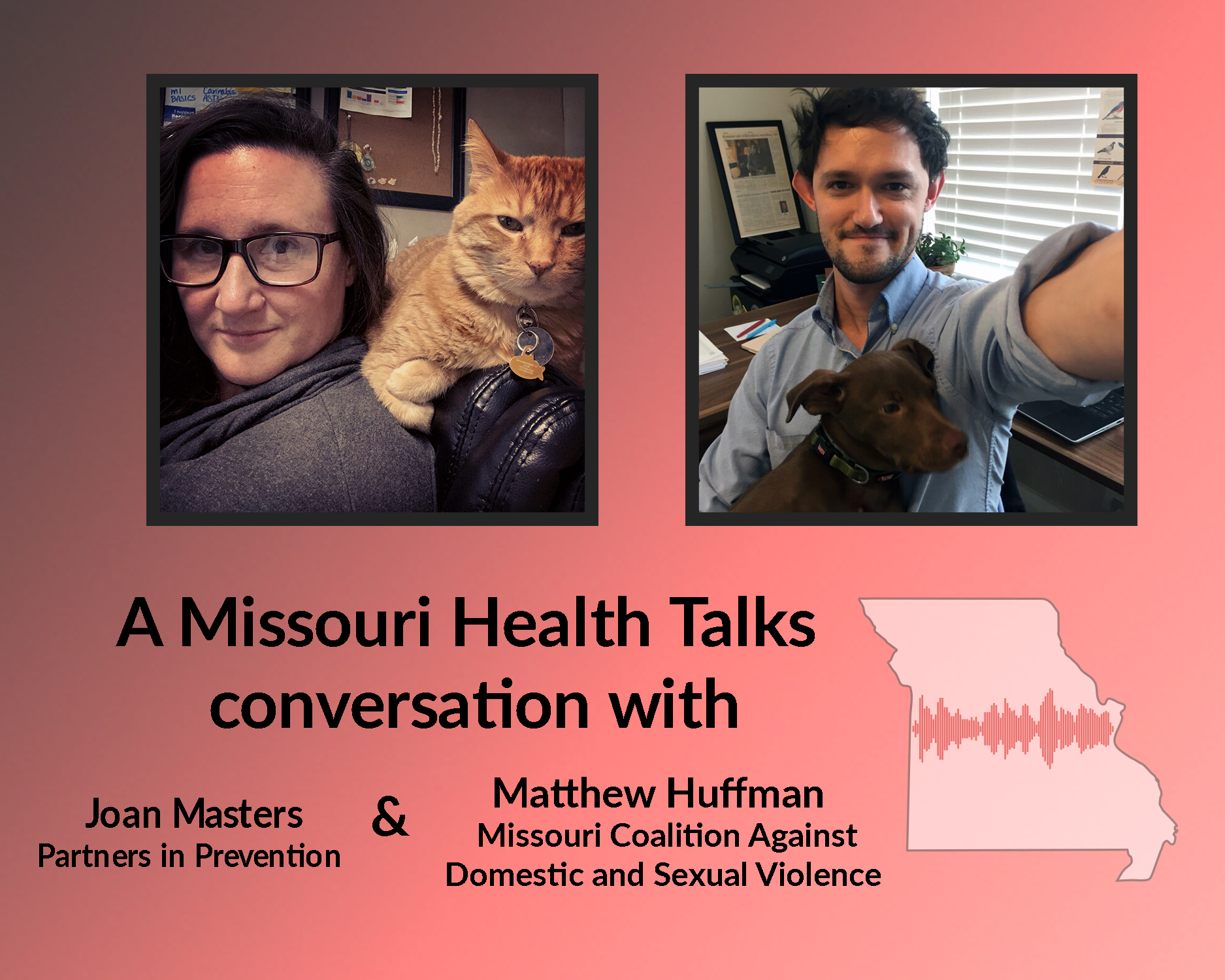
Matthew Huffman is the Public Affairs Director for the Missouri Coalition Against Domestic & Sexual Violence, and Joan Masters is the Senior Coordinator of Partners in Prevention – a coalition of 24 Missouri colleges and universities working toward healthy and safe campuses.
They spoke about drug-facilitated sexual assaults and how those have changed during the last few decades – from perpetration using illegal substances like rohypnol, or roofies, to legally obtainable drugs and even – just alcohol
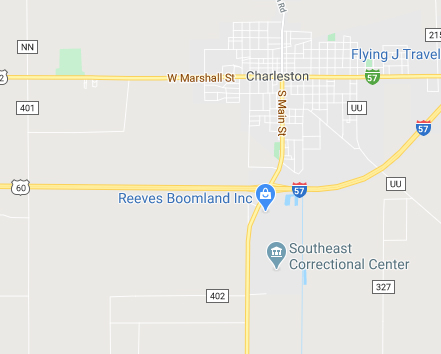
Carlos Wade is an inmate at the Southeast Missouri Correctional Center in the Bootheel, who we talked to back in July. He recently updated me on how things are going inside prison – nearly ten months into the pandemic and after another round of cases at the facility.
According to the Missouri Department of Corrections, as of December 24, 2020, they have gotten most of the outbreaks back under control – with only 179 active inmate cases and 96 active prison staff cases.
Since the beginning of the pandemic, 39 inmates and 5 staff have died of the disease.
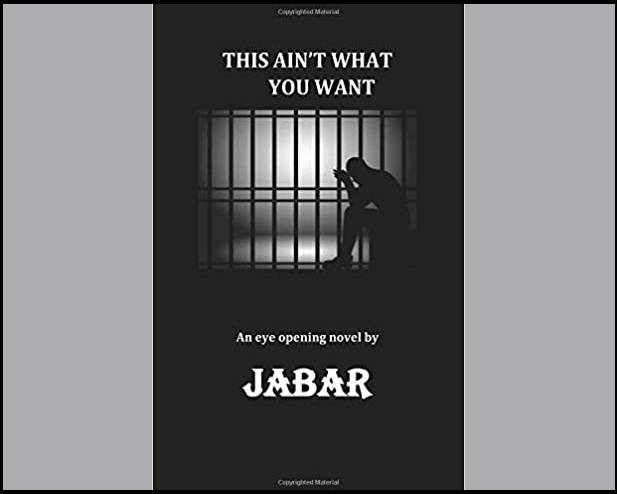
Jabar is an inmate at Jefferson City Correctional Center. He’s been in prison for 25 years, after being sentenced to death row at 17. He is one of the youngest Missourians ever to be put on death row. Then after a retrial at age 19, he was sentenced to life without parole.
Jabar maintains his innocence, has written numerous books for children, as well as adults, based on his life growing up in St. Louis and his time in prison, and because of a law passed back in 2016, he has the chance to apply for parole as soon as this month.
This law allows people sentenced to life without parole prior to August 2016, for a crime they committed before they turned 18, to apply for a parole hearing after serving 25 years.
He spoke with me about how being in prison from such a young age has changed him, and about what keeps him going.
As a note, Jabar is a nickname.
Carlos Wade is an inmate at the Southeast Correctional Center in the Bootheel, and is currently working in the facility’s medical unit to keep things sanitized and, ideally, help prevent the spread of the coronavirus.
Southeast Correctional Center recently had an outbreak of COVID-19 cases – where 47 inmates and 20 staff members tested positive, so Carlos called me to talk about what life is like in prison during the ongoing pandemic and about some of his concerns.
According to the Department of Corrections, since the initial sentinel, or facility-wide testing was done, all but one inmate and three staff members have recovered from COVID-19.
Tashel Bordere is a specialist in youth development with the University of Missouri’s Department of Human Development and Family Science. She researches grief and loss in African-American youth.
She spoke with host Janet Saidi about cumulative loss and its impact on marginalized communities during the on-going coronavirus pandemic, as well as the nationwide protests following the death of George Floyd at the hands of the Minneapolis police.
This is an excerpt from KBIA’s daily talk show, the Check-In with Janet Saidi, on Wednesday, June 3. You can hear the full show – here.
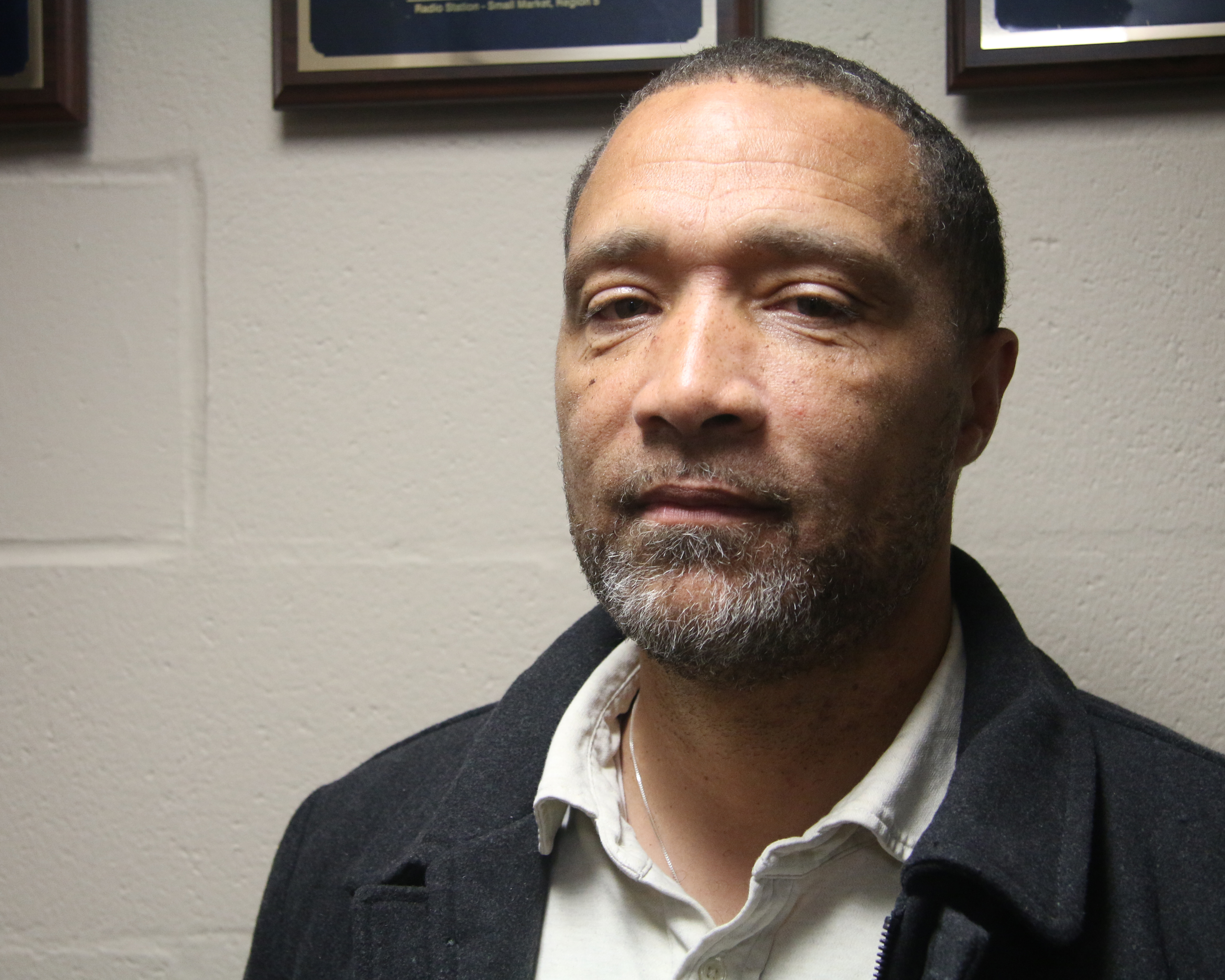
Mataka Askari lives in Columbia and works as a certified peer specialist for Burrell Behavioral Health, but before that – he spent 23 and a half years in prison.
He spoke about post incarceration syndrome, a form of PTSD specific to those who have been in prison, and some of the ways it impacts his life every day.
Copyright 2017 KBIA and The University of Missouri. Development and Design by Nathan Lawrence.
